Rottweiler Hip & Elbow Dysplasia and Osteosarcoma: Vet Awareness Guide
Please see your vet. This guide is general education, not a diagnosis or treatment plan. If your Rottweiler seems unwell, call your veterinarian. If it looks like an emergency, go to an emergency vet right away.
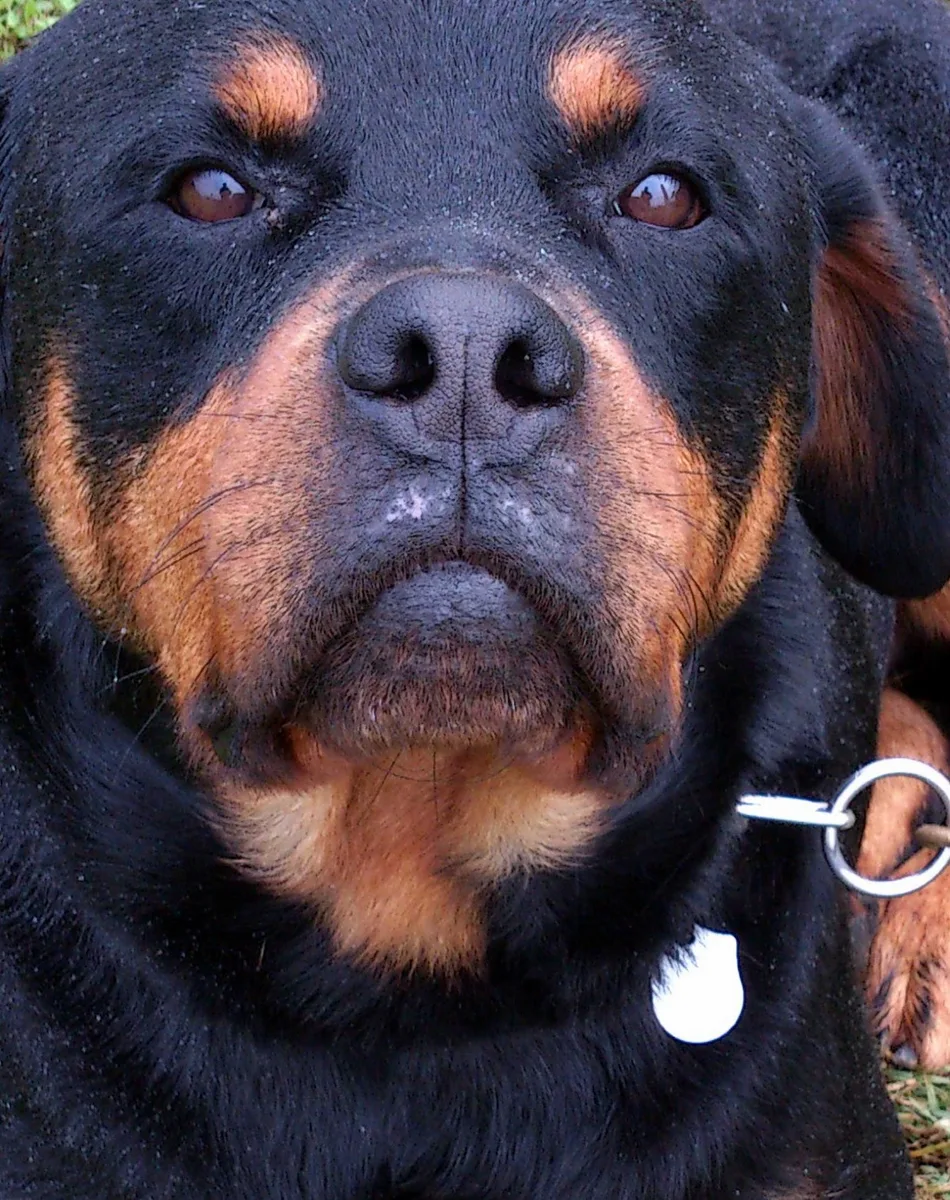
Photo: Julián Monge-Nájera via Wikimedia Commons, CC BY-SA 4.0
Rottweilers are strong, confident working dogs. VCA’s breed overview notes increased risk of joint disease and certain cancers, especially osteosarcoma, and mentions deep-chest risk for gastric dilatation-volvulus (GDV). This guide is awareness only: it explains what major veterinary sources say so you can ask better questions—not so you can diagnose at home.
Hip dysplasia, in plain language
VCA’s hip dysplasia handout describes hip dysplasia as abnormal development of the ball-and-socket hip joint during growth, leading to laxity and later osteoarthritis. Clinical signs can include hind-leg weakness, reluctance to rise, limping or hesitation on stairs. Importantly, X-ray appearance and how lame a dog looks do not always match.
Cornell’s Riney Canine Health Center likewise describes CHD as an inherited orthopedic condition involving joint laxity and secondary arthritis, diagnosed with radiographs plus exam findings, with medical management and surgical options depending on severity.
Screening language (OFA)
The Orthopedic Foundation for Animals explains radiographic hip screening and grades: Excellent, Good and Fair (within normal limits), Borderline, then Mild, Moderate or Severe dysplasia. Timing, sedation and whether to submit films are decisions for your veterinarian and any breeding program—not for a website checklist.
Management themes vets discuss
Veterinary sources commonly emphasize healthy body weight, controlled low-impact exercise, pain management when indicated and, for some dogs, surgical options. OFA notes that many dogs with arthritis secondary to dysplasia can still live comfortably with conservative management focused on weight and exercise—again, under veterinary guidance. Do not start NSAIDs or other drugs without a veterinarian.
Elbow dysplasia
The American College of Veterinary Surgeons describes elbow dysplasia as developmental problems in a complex three-bone joint. Signs often appear from about five months of age (sometimes later) as forelimb lameness that worsens with activity. Diagnosis may involve exam, X-rays and sometimes CT or arthroscopy. Treatment can be medical or surgical depending on the primary lesion and severity. Arthritis can progress even after treatment; the goal is often improved comfort and function.
VCA lists elbow dysplasia among Rottweiler health considerations. If your puppy or adult shows persistent front-leg lameness, ask your veterinarian—don’t wait for an article to “confirm” it.
Osteosarcoma awareness
VCA’s osteosarcoma page describes an aggressive bone cancer that often affects long bones of the legs in large-breed dogs. Rottweilers are among breeds reported as predisposed. Common owner observations include persistent lameness, local swelling that can feel warm and painful, and reluctance to use the limb. Diagnosis typically involves imaging and sampling; staging looks for spread.
Cornell’s osteosarcoma overview likewise notes large/giant-breed predisposition (including Rottweilers), early metastatic risk and multimodal care discussions (pain control, surgery when appropriate, chemotherapy) aimed at quality of life—not a cure promise.
Any unexplained limp in a large dog deserves a prompt veterinary visit. Online reading is not imaging.
Practical owner checklist (not a care plan)
- Keep your Rottweiler lean; ask about large-breed growth diets while young.
- Note new or worsening lameness, swelling, “bunny hopping,” or reluctance to rise—and call the clinic.
- Ask your vet when hip/elbow screening conversations usually start for this breed.
- Know GDV warning signs for deep-chested dogs (unproductive retching, distended abdomen, distress) and treat them as emergencies—per your clinic’s guidance.
- Skip unverified supplements and internet dosing charts.
Bottom line
Joint dysplasia and osteosarcoma are serious topics in Rottweiler health literature. Use published veterinary language to stay informed, then partner with your veterinarian for screening, diagnosis and treatment decisions tailored to your dog.
Frequently asked questions
Are Rottweilers at higher risk for hip dysplasia?
VCA’s Rottweiler breed overview lists hip dysplasia and elbow dysplasia among puppy/young-dog health considerations. Hip dysplasia is a developmental joint problem that can lead to arthritis; large breeds are commonly discussed in veterinary sources. Only a veterinarian can evaluate your dog.
What is osteosarcoma, and why do Rottweiler owners hear about it?
Osteosarcoma is an aggressive bone cancer. VCA and Cornell note it more often in large and giant breeds, and both list Rottweilers among predisposed breeds. Persistent lameness, painful swelling or reluctance to use a limb are reasons to seek veterinary care promptly—not to self-diagnose online.
What screening language do registries use for hips?
The Orthopedic Foundation for Animals (OFA) describes radiographic hip screening with grades from Excellent through Severe. Excellent, Good and Fair are within normal limits. Screening decisions and timing belong with your veterinarian and any responsible breeding program you work with.
What is elbow dysplasia?
The American College of Veterinary Surgeons describes canine elbow dysplasia as developmental abnormalities of the elbow (including conditions such as fragmented coronoid process and ununited anconeal process) that can cause pain, lameness and arthritis. Diagnosis and treatment planning require a veterinarian, sometimes with advanced imaging or a surgeon.
Is this article a diagnosis or treatment plan?
No. It summarizes published veterinary and registry language for awareness. Any limp, swelling, appetite change or suspected emergency needs a real veterinary exam. Do not start medications or supplements based on an article alone.
A quick note: this guide is general information from published sources, written by dog lovers, not a veterinarian. Your own vet knows your dog's history, so check with them before changing food, exercise or treatment.
Sources
- VCA Animal Hospitals: Rottweiler breed overview
- VCA Animal Hospitals: Hip Dysplasia in Dogs
- VCA Animal Hospitals: Osteosarcoma in Dogs
- Orthopedic Foundation for Animals: Hip Dysplasia
- American College of Veterinary Surgeons: Canine Elbow Dysplasia
- Cornell University Riney Canine Health Center: Canine Hip Dysplasia
- Cornell University Riney Canine Health Center: Osteosarcoma in Dogs
- VCA Animal Hospitals: Feeding Growing Puppies
Keep reading
Rottweiler Weight by Age: Height, Adult Ranges, and Growth Tracking
What the AKC Rottweiler standard and breed profile say about height and adult weight bands, how to track growth with your vet, and why body condition matters more than a single number.

Rottweiler Socialization and Training: Building a Steady Guardian
What AKC and VCA say about early socialization, confident leadership and training for Rottweilers—without promising a finished temperament overnight.